

Chengran (Felix) Guan
July 1, 2026 · 6 min read
Virtual Staging vs Traditional Staging:
ROI Comparison for 2026
Virtual staging costs 90% less than traditional staging, works on occupied properties without moving a single piece of furniture, and delivers listings in hours instead of days. For most real estate agents and photographers, AI-powered virtual staging offers a better return on investment for the average listing — but traditional staging still wins for luxury properties where buyers expect to walk into a fully furnished home.
If you're a real estate agent deciding whether to stage a listing, or a photographer wondering if you should offer virtual staging as a service, the numbers are clear. This guide breaks down the costs, timelines, and ROI of both approaches so you can make the right call for every property.
Key Takeaways
- Traditional staging: $500–$2,500+ per month per listing. 3–7 day setup. Best for luxury $2M+ properties.
- Virtual staging (manual): $25–$150 per image. 1–3 day turnaround. Requires a designer.
- AI virtual staging: $0–$5 per image. Minutes to hours. Available 24/7. No design skills needed. Works on occupied properties without emptying a single room.
- Staged homes sell 73% faster on average, according to the National Association of Realtors — but the staging method matters less than having some form of staging.
- Best ROI play: Use AI virtual staging for the 80% of listings under $750k. Reserve traditional staging for the top 20% of luxury inventory.
What Is Virtual Staging?
Virtual staging is the process of digitally adding furniture, decor, and design elements to photos of an empty or underfurnished room. Instead of renting a truck, hiring movers, and coordinating with a staging company, you take photos of the empty space and a designer — or increasingly, AI — adds the furnishings digitally.
The result looks like a professionally staged room, but the physical space remains empty. Buyers see the potential of the space without the staging company ever setting foot on the property.
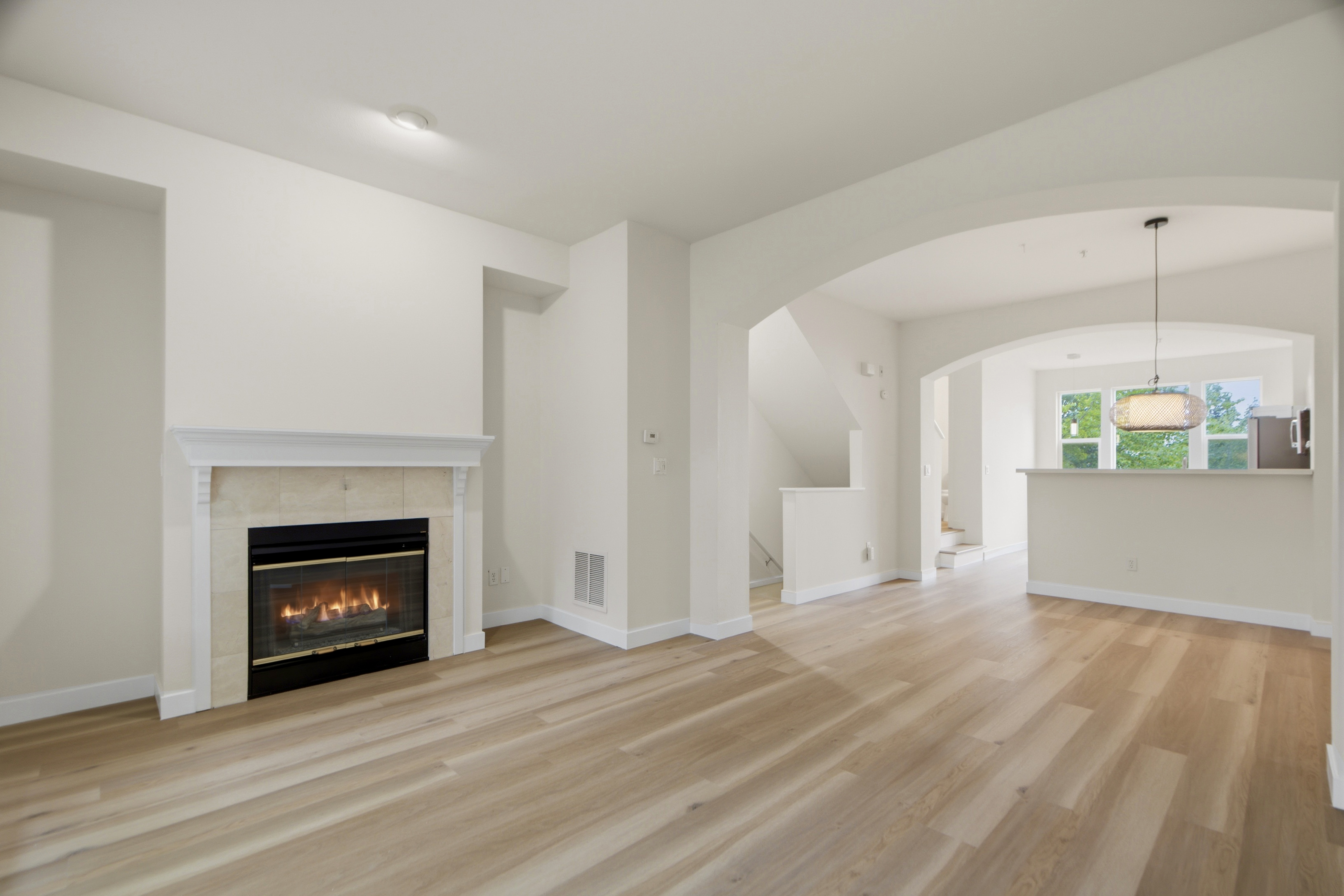
Living room — empty and ready for virtual staging
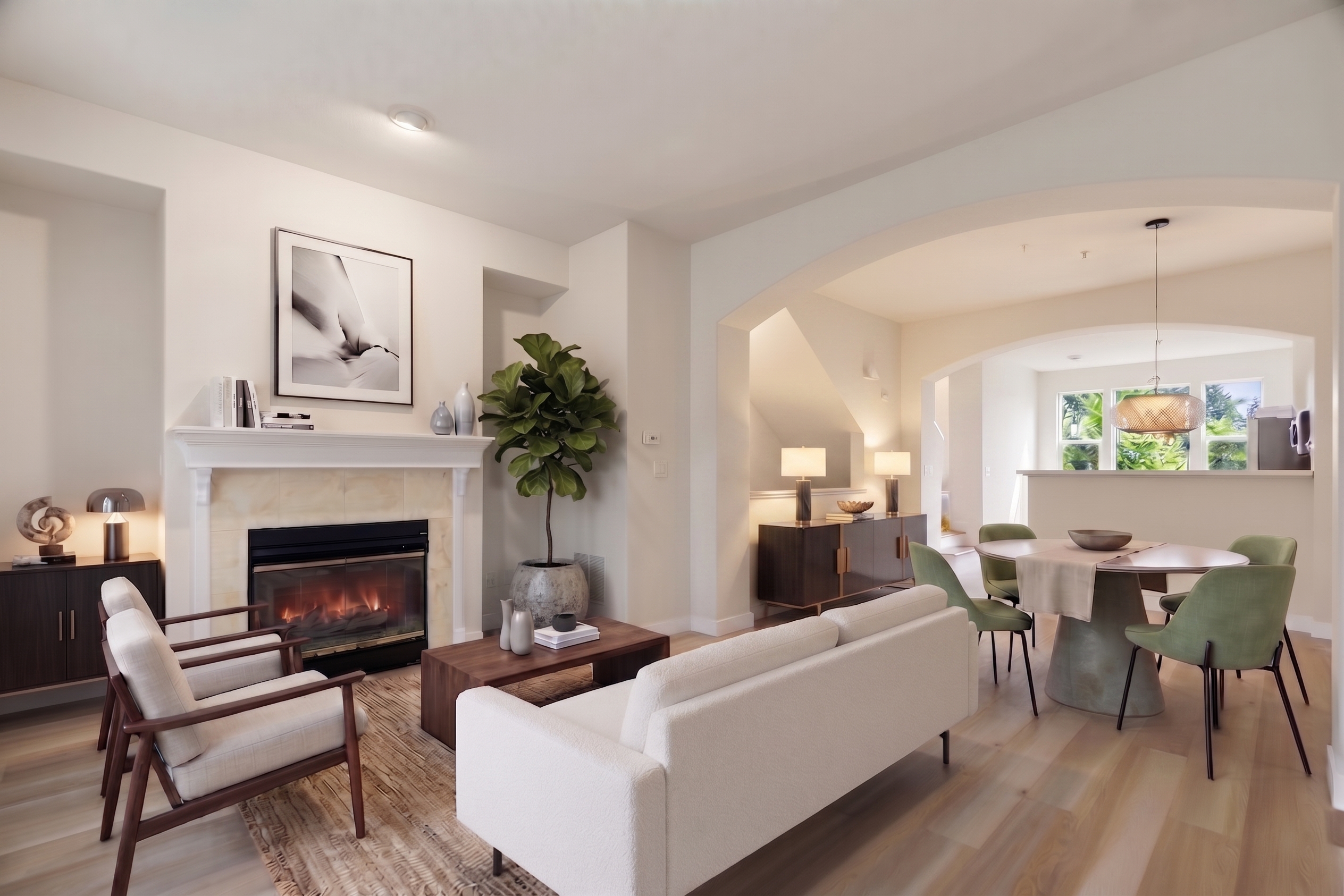
Living room — after AI virtual staging adds furniture and a lived-in feel
Traditional Staging: The Full Breakdown
Traditional physical staging involves renting furniture, artwork, and decor, then having a team deliver and arrange everything in the property. The staging company typically handles design, delivery, setup, and teardown.
How Much Does Traditional Staging Cost?
- Consultation and design fee: $150–$500 (one-time)
- Monthly furniture rental: $300–$1,500 per room, per month
- Delivery, setup, and teardown: $200–$800 per visit
- Total for a 3-bedroom home, one month: $1,500–$3,500
- Total for a luxury property, one month: $3,000–$8,000+
The biggest hidden cost is time. Scheduling the consultation, coordinating delivery, and managing the return all add days or weeks to your timeline. If a listing sits longer than expected, you're paying for another month of rental.
Virtual Staging: Two Approaches
Manual Virtual Staging (Human Designer)
A designer uses Photoshop or 3D rendering software to add furniture to each photo. Typical costs:
- Per image: $25–$150 depending on complexity
- Typical listing (8–12 photos): $200–$1,200
- Turnaround: 1–3 business days
The quality depends entirely on the designer. Good virtual staging looks realistic. Bad virtual staging looks like a bad Photoshop job — and buyers can tell.
AI Virtual Staging
AI virtual staging uses machine learning models trained on millions of staged interior photos to automatically add furniture and decor to empty rooms. You upload a photo, and the AI generates a staged version.
- Per image: $0–$5 (most tools offer free tiers or per-use pricing)
- Typical listing: $0–$50 for a full set
- Turnaround: Minutes to hours. No scheduling needed.
- Skill required: None. Upload a photo, get a staged result.
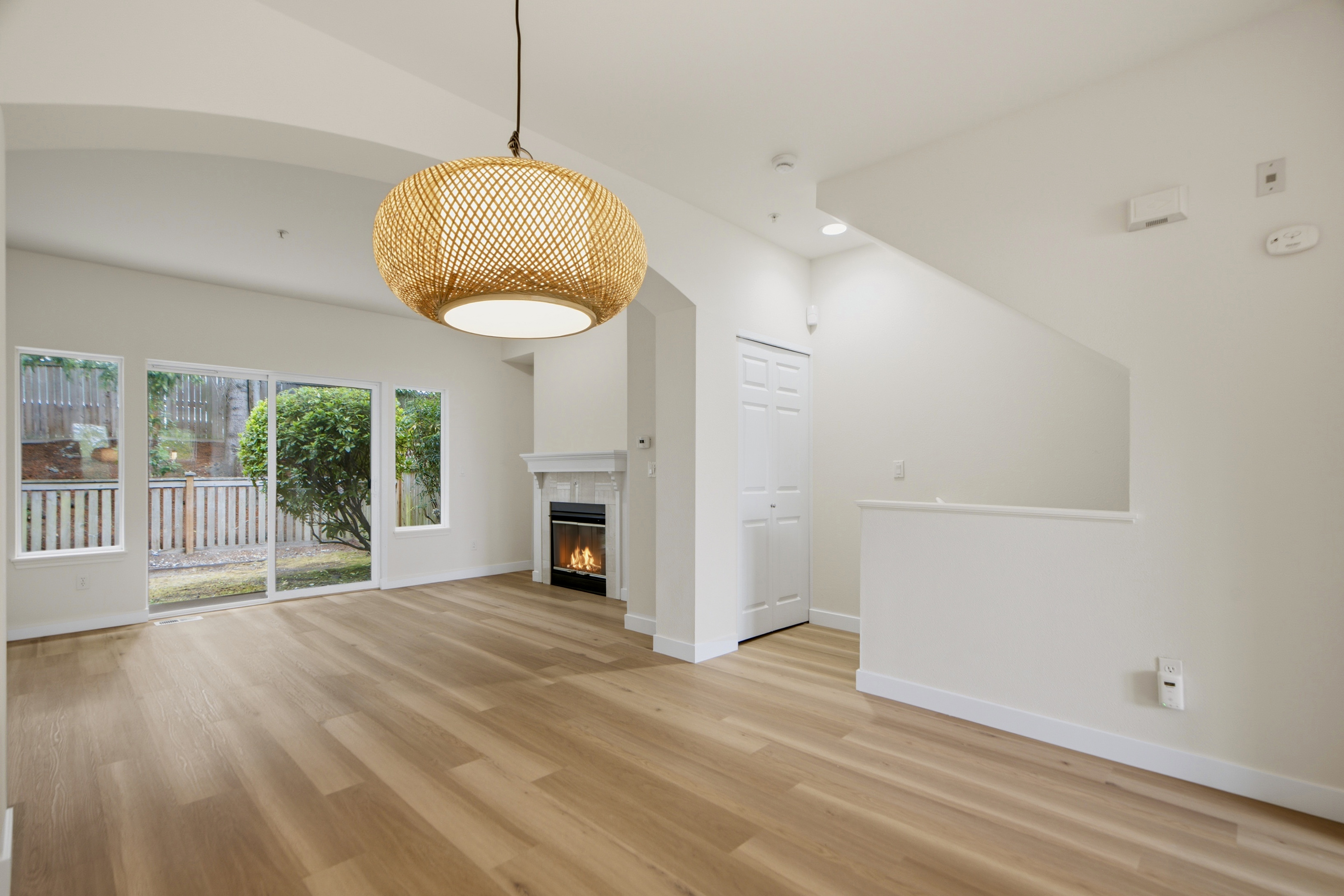
Another living room — before AI virtual staging
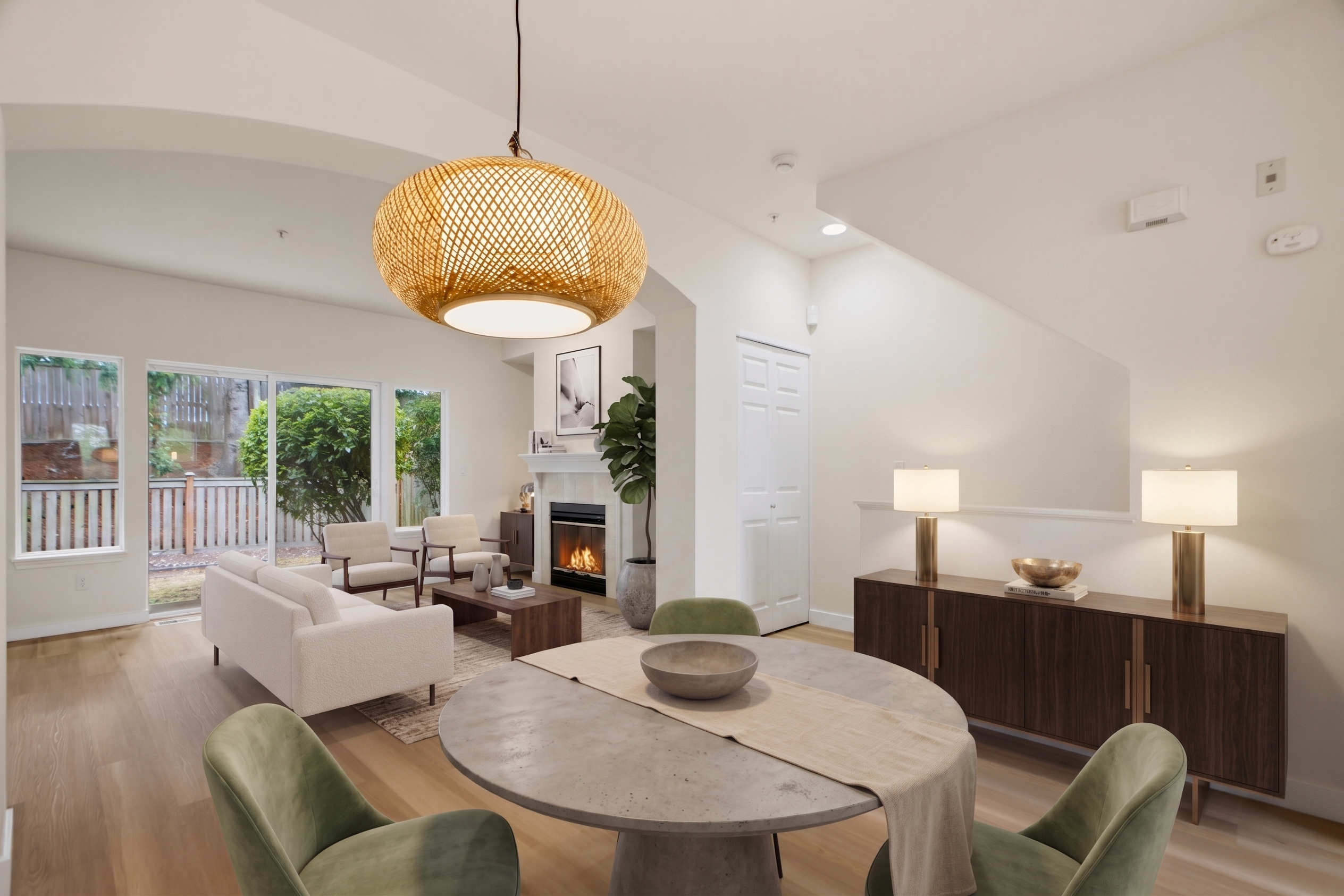
After AI virtual staging — furniture and decor make the space feel complete
Side-by-Side Comparison
| Factor | Traditional Staging | Manual Virtual Staging | AI Virtual Staging |
|---|---|---|---|
| Cost per listing | $1,500–$3,500 | $200–$1,200 | $0–$50 |
| Turnaround time | 3–7 days | 1–3 days | Minutes–hours |
| Real furniture on site | Yes | No | No |
| Works for occupied homes | Limited | Yes | Yes |
| Skill needed | None (hire a company) | Hire a designer | None |
| Best for | Luxury ($2M+) listings | Mid-range, custom looks | Volume staging, speed |
The ROI Math: Does Staging Pay for Itself?
According to the National Association of Realtors 2023 Profile of Home Staging, 73% of buyer's agents said staged homes sold faster, and 81% said staging made it easier for buyers to visualize the property as their future home. The staged home's value perception increases by 1–5% on average — enough to cover the staging cost on any property over $200,000.
Let's run the numbers for a typical $500,000 listing:
- No staging: Sits on market 45–60 days. Price reduction of $10,000–$25,000.
- Traditional staging ($2,000): Sells in 20–30 days. 1–3% price premium = $5,000–$15,000. Net ROI: 150–650%.
- AI virtual staging ($25): Sells in 20–30 days. Same time-on-market improvement. Net ROI: 20,000–60,000%.
The math gets even better for photographers and media companies staging multiple listings per month. If you're producing 20 listings per month, traditional staging would cost $40,000+. AI virtual staging costs $500. The savings scale linearly with volume.
When Traditional Staging Still Wins
Virtual staging isn't a replacement for every scenario. Traditional staging is still the better choice when:
- The property is $2M+. Luxury buyers expect to walk into a fully furnished home. Virtual staging in photos sets expectations that the physical showing can't meet.
- The home has unusual architecture. AI virtual staging can struggle with sloped ceilings, curved walls, or non-standard room layouts. For these properties, a human designer or physical staging may produce better results.
How AI Virtual Staging Fits Into Your Workflow
For real estate photographers and media companies, AI virtual staging is a natural add-on service. You're already at the property taking photos. Adding AI staging takes minutes, not days. It's a high-margin upsell: charge $50–$100 per listing for AI staging that costs you near zero.
And for agents, VideoGuru's AI effects suite includes virtual staging alongside other listing-enhancing tools like twilight conversions and renovation visualizations. You can stage a room, add a cinematic video walkthrough, and create a branded social media clip — all from the same platform. No separate tools, no multiple subscriptions, no learning curve.
Beyond video, VideoGuru's photo editing tools give you one-click virtual staging for still images too — add furniture, declutter a room, remove personal items, or swap decor styles with a single click. No Photoshop skills, no outsourcing. Snap the photo, apply the effect, and it's ready for MLS or social. The same AI that powers your video walkthroughs also handles your listing photography, so your entire media workflow stays in one place.
FAQ: Virtual Staging vs Traditional Staging
Is virtual staging legal for MLS listings?
Yes, as long as you disclose it. Most MLS systems require virtual staging to be clearly marked in the listing description. The key rule: never present virtually staged photos as if the property is physically furnished. Add a note like "Photos virtually staged" in the remarks.
Does AI virtual staging look realistic?
Modern AI virtual staging is remarkably realistic — especially compared to early attempts. The best results come from tools trained specifically on interior design and real estate photography. The key limitation is that AI doesn't understand the structural context of a room the way a human designer does. For standard rectangular rooms, results are excellent. For unusual layouts, results can be inconsistent.
Can I stage a property that already has furniture?
Yes — and this is one of AI virtual staging's strongest features. Unlike traditional staging, which requires empty rooms to deliver furniture, AI can restyle an occupied home by replacing existing furniture with different styles, removing clutter, or completely changing the decor. It's especially useful for occupied homes where the current furniture doesn't photograph well, or for properties where the seller is still living in the home.
For open houses, you get the best of both worlds: AI-staged photos for online listings that help buyers visualize the potential, plus the seller's existing furniture making the space feel lived-in during physical showings. Traditional staging can't offer this flexibility — it requires the space to be emptied first.
The Bottom Line
Virtual staging — especially AI virtual staging — offers the best ROI for the vast majority of listings. It costs 90% less than traditional staging, delivers results in minutes instead of days, and can be offered as a high-margin service by photographers and media companies.
Keep traditional staging for luxury properties where physical furniture matters during showings. For everything else, let AI do the work.
Ready to try AI virtual staging for your next listing? Try VideoGuru free — no credit card required.